Representation in the Media
♡ Representation in the Media ♡
- Representation is concerned with the way that people, ideas and events are presented to us.
- This could be representation in magazines, news, soap operas, films and so on.
- It may include representation of people, places and events.
- This means media texts are intentionally written, framed, cropped, caption, branded, targeted and censored by producers, and they are entirely artificial versions of the reality we perceive around us.
Signs that create representation
- Mise-en-Scene
- Sound
- Editing
- Camera shots, angles, movements and positions
Social groups that we're looking at in terms of representation
- Gender
- Age
- Ethnicity
- Sexuality
- Class and status
- Physical Ability/Disability
- Regional Identity
- Sporty
- Good looking
- Fake
- Attention seeking
- Popular
- See people lower than them
- Fun
- Always in a relationship
- Rude
- Many friends
Stereotypes
- A stereotype is a simplified representation of a character, appearance or belief
- A stereotype is commonly held public belief about specific social groups or types of individual
Countertype
- Countertypes are positive, simplified, widely held view
Gender
(Representation of Women):
- Representations of women across all media tend to highlight the following:
- Beauty
- size or physique
- sexuality
- emotional dealings
- Women are often represented as being part of a context (family, friends, colleagues)
- In dramas, they tend to take the role of the helper or an object, passive rather than active
- Men are still represented as TV drama characters up to 3 times more frequently than women

(Representation of Men):
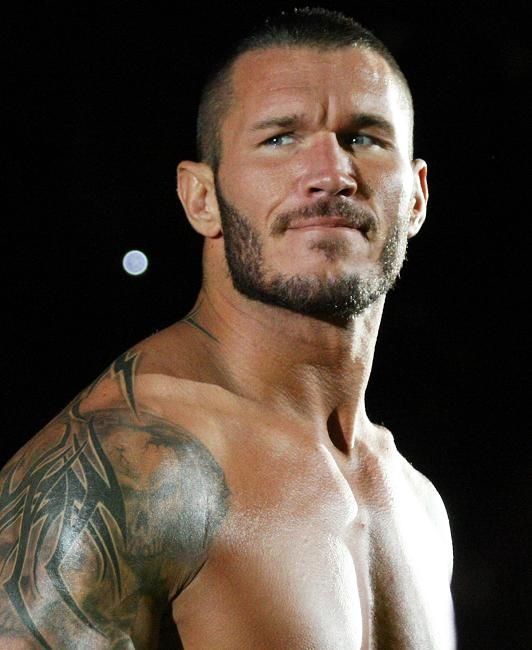
- Representations of men across all media tend to highlight the following:
- Strength - physical and intellectual
- Power and success
- Sexual attractiveness
- Independence
- Masculine
Age
(Common representations of Age)
- Rebellious teen
- senile men or women
- male in mid-life-crisis
- silly old men
- social groups in school: jocks, goth, nerds
- Middle aged women clinging on to her youth
Old people are often subjected to the most rigid stereotypes of all (old, ugly, weak, stupid)
Ethnicity
- Ethnicity is defined by a set of genetic and cultural characteristics
- Representation of ethnicity can consist of rigid stereotypes similar to gender portrayal
- there are lots of negative representations in the media, especially of black people in the media like black urban young men
- Stereotypes of -
- People of African Descent
- Big Nigerian mum into food and music
- Aggressive youths - in gangs (hoodies)
- Victims of famine
- Rappers (chains, drugs, grills)
- Over sexualised girls
- People of Asian descent
- Intelligent
- Ninja
- Broken English
- Obsessed with Chinese food
- Obsessed with electronics
- Quirky or weak
- Lack emotion
- Materialistic - seen wearing designer brands (gucci, supreme)
- Middle eastern (Arabic) descent
- Terrorists
- very religious
- physically strong
- strict
- serious
- victims
- villans rarely seen as heroes
- prodigious towards Jewish people
- White British/American
- powerful/intellectual/physical
- often the hero
- serial killer
- in charge (dominent race)
- leed role - protagonist
Representations of sexuality
- Heterosexual Women
- loving respectful average
- promiscuous (negative)
- frigid
- pure or a (gold digger, pregnant teen)
- Heterosexual Man
- Respectable
- promiscuous (postitive, player)
- Ladies man
- Trouble talking to girls
- Homosexual Women
- Monogamous
- Promiscuous
- Butch
- embarrassed
- Homosexual Man
- Promiscuous (younger)
- Monogamous (older)
- overbearing
- embarrassed
- camp
- GBF (gay best friend)
Class and Status
- Poor/ money/ less
- lower class
- lower middle class
- working class
- upper middle class
- upper class
- elite/rich/millionaire

Status symbols:
- Clothing or lack of it
- cars
- jewellery
- brands
- houses and mansions
- gadgets
Physical ability and disability:
- It has become more noticeable in the media recently
- each portrayed differently to an extreme: super skinny or and amputee
- soap operas have a micro view on society (not accurate - in Eastenders there's one black family)

Regianial identity
- costume
- settings
- staging
Selection
Whatever ends up on the screen or in the paper, much more will have been left out. Any news story has been selected from hundreds of others which the producers decided for you were less interesting. Any picture has been chosen from an enormous number from alternatives
Construction
Media texts have been created in a specific way to portray a message/representation
Meditation
Meditation is the process by which a media text represents an idea, issue or event to an audience. We are given a version or reality which has been altered
Dominant representation
A dominant representation is one which is repeated across the media over time
CHALLENGING AND CONFORMING
 In this magazine cover, the model, Gigi Hadid challenges gender stereotypes as she isn't wearing much makeup whereas normally, a model on the front cover of a magazine would wear a full face of makeup. Furthermore, a model on the cover of vogue would normally wear a sexual outfit but she is wearing a shirt buttoned up to the top.
So this challenges the dominant representation of models in magazines.
This advert conforms to the dominant representations of homosexual men as they seem to be camp and promiscuous. However, it challenges the negative stigma of drag queens as they would normally be hated on however this program celebrates them and shows the positive aspects of them.

Good definitions and terminology throughout.
ReplyDeleteYour two texts at the end are explained confidently, with strong understanding.
Mr P